
Introduction
Planning a jeep safari in Kodaikanal is not just about choosing the right route or package — weather plays a crucial role in determining safety, visibility, wildlife movement, and overall experience. Sudden mist, unexpected rain, or slippery forest trails can significantly impact safari quality.
This is where a Kodaikanal Jeep Safari Weather Forecast Tool becomes essential. Designed specifically for off-road safari planning, this tool helps travelers, tour operators, and photographers make informed decisions by understanding real-time and forecasted weather conditions before venturing into the hills.
Image (Single Image – After Title)
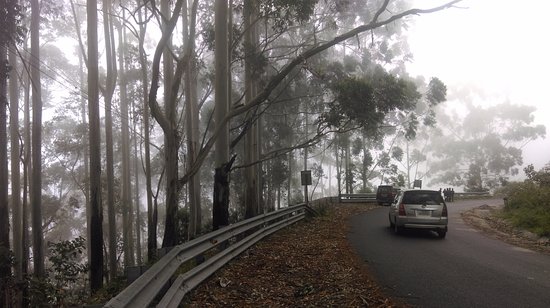
Why Weather Forecasting Is Critical for Jeep Safaris in Kodaikanal
Kodaikanal’s location in the Palani Hills of the Western Ghats makes its weather highly unpredictable. Conditions can change rapidly within a few kilometers.
Weather Directly Affects:
- Trail safety and road grip
- Visibility at viewpoints
- Wildlife activity patterns
- Photography quality
- Safari route accessibility
A weather-specific forecast tool helps avoid unpleasant surprises and ensures a safer safari experience.
What Is the Kodaikanal Jeep Safari Weather Forecast Tool?
The Kodaikanal Jeep Safari Weather Forecast Tool is a planning aid that provides location-focused weather insights tailored to jeep safari conditions rather than generic city forecasts.
Unlike standard weather apps, this tool focuses on:
- Hill-top and valley-level differences
- Early morning and late evening conditions
- Rain impact on forest and mud trails
- Fog and mist probability along jeep routes
It is especially useful for safari bookings, photography planning, and itinerary adjustments.
Key Weather Parameters Covered by the Tool
1. Rainfall Prediction
Rain is the most important factor for jeep safaris.
The tool indicates:
- Light vs heavy rainfall
- Continuous rain vs short showers
- Slippery trail risk levels
Heavy rainfall often leads to safari restrictions or route changes.
2. Fog & Mist Levels
Kodaikanal is famous for mist, but excessive fog reduces:
- Viewpoint visibility
- Driving safety
- Photography clarity
The tool helps identify clear windows during early morning or late afternoon.
3. Temperature & Wind
Temperature affects comfort and wildlife movement.
The tool tracks:
- Early morning cold levels
- Afternoon temperature rise
- Wind speed on exposed ridges
This helps travelers dress appropriately and plan stops.
4. Trail Accessibility Indicator
Some advanced versions of the tool include a trail condition indicator, showing whether:
- Routes are open
- Trails are muddy
- Certain forest paths are temporarily closed
This is particularly useful during monsoon months.
How Travelers Can Use the Weather Forecast Tool
Before Booking a Safari
- Check rainfall probability for your travel dates
- Choose morning or afternoon slots accordingly
- Avoid peak monsoon risk days
One Day Before the Safari
- Recheck fog and visibility levels
- Confirm route availability
- Coordinate with safari operators if changes are needed
On the Day of the Safari
- Dress based on temperature and rain chances
- Carry rain protection if required
- Adjust photography expectations
Best Seasons Based on Weather Data
🌤 October to March (Best Conditions)
- Stable weather
- Low rainfall
- Clear viewpoints
- Ideal for all safari routes
🌞 April to June (Dry & Warm)
- Minimal rain
- Excellent trail conditions
- Slightly warmer afternoons
- Good for long safaris
🌧 July to September (Monsoon)
- Heavy rainfall possible
- Slippery trails
- Limited routes
- Best only for experienced travelers with flexible plans
The weather forecast tool is most valuable during the monsoon and shoulder seasons.
Benefits for Different Types of Travelers
For Tourists
- Better planning
- Reduced risk
- Improved comfort
- Higher satisfaction
For Photographers
- Clear sky windows
- Fog timing for dramatic shots
- Avoid wasted trips
For Safari Operators
- Better route planning
- Enhanced safety
- Reduced cancellations
- Improved customer trust
Weather-Based Safari Planning Tips
- Early mornings are cooler and clearer
- Fog usually lifts by mid-morning
- Rain often intensifies in late afternoons
- Valley routes may differ from hilltop conditions
- Always keep buffer time for weather delays
Combining local knowledge with a weather tool delivers the best results.
Limitations of Weather Forecast Tools
While highly useful, no tool is perfect.
Limitations Include:
- Rapid micro-climate changes
- Localized showers not always predicted
- Sudden fog formation
This is why forecasts should be used alongside local driver and guide advice.
Future of Safari-Specific Weather Tools
As tourism becomes more data-driven, future versions may include:
- Live trail condition updates
- Wildlife movement predictions
- Operator alerts for closures
- Integrated booking recommendations
Such tools will further enhance safety and sustainability.
Conclusion
The Kodaikanal Jeep Safari Weather Forecast Tool is an essential companion for anyone planning an off-road adventure in the hills. By focusing on safari-specific conditions rather than generic city forecasts, it helps travelers make smarter, safer, and more enjoyable decisions.
In a landscape where weather defines the experience, being informed is the key to turning a good safari into an unforgettable one.