Introduction
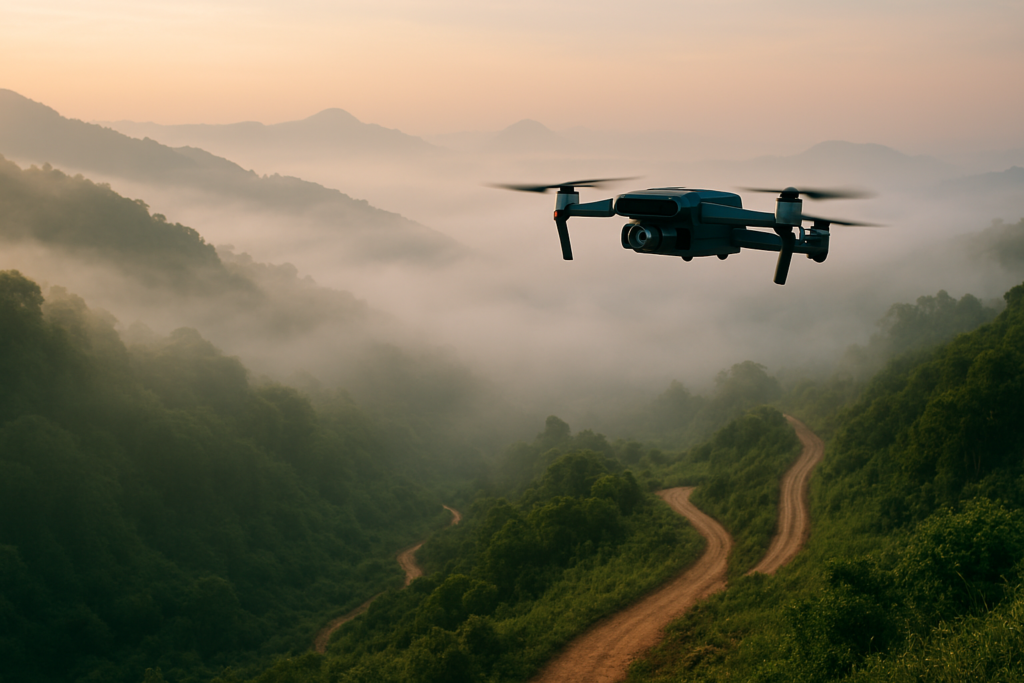
Kodaikanal’s mist-covered valleys, winding jeep trails, dense forests, and rolling grasslands make it a dream destination for drone photography. Aerial perspectives can beautifully capture the scale and serenity of the Palani Hills. However, flying drones in ecologically sensitive and regulated areas like Kodaikanal jeep trails comes with strict rules and responsibilities.
This guide explains the drone photography rules for Kodaikanal jeep trails, covering legal regulations, forest restrictions, safety practices, and ethical guidelines—helping photographers enjoy breathtaking visuals without violating the law or harming nature.
Why Drone Rules Matter in Kodaikanal
Kodaikanal lies within the Western Ghats, a UNESCO-recognized biodiversity hotspot. Jeep trails often pass through:
- Reserved forests
- Wildlife corridors
- Tribal settlements
- Sensitive hill ecosystems
Unregulated drone use can:
- Disturb wildlife
- Violate privacy
- Interfere with forest operations
- Lead to legal penalties
Therefore, strict compliance is essential.
Legal Framework for Drone Use in India
All drone operations in India are governed by the DGCA (Directorate General of Civil Aviation) under the Drone Rules, 2021.
Key National Rules:
- Drone registration is mandatory
- Pilot must be registered on the Digital Sky platform
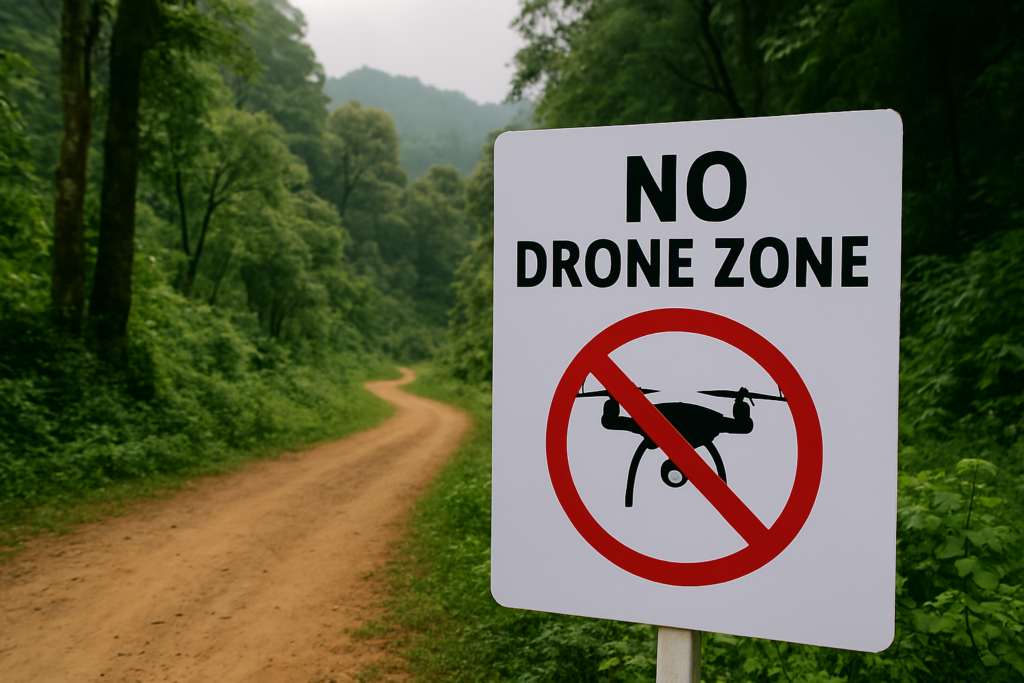
- Certain areas are classified as No-Fly Zones
- Flying without permission can attract fines or confiscation
Forest areas and hill stations often fall under restricted or red zones.
Are Drones Allowed on Kodaikanal Jeep Trails?
Short Answer: Mostly No, Without Permission
Most jeep trails in and around Kodaikanal pass through:
- Forest Department land
- Buffer zones of wildlife habitats
- Eco-sensitive regions
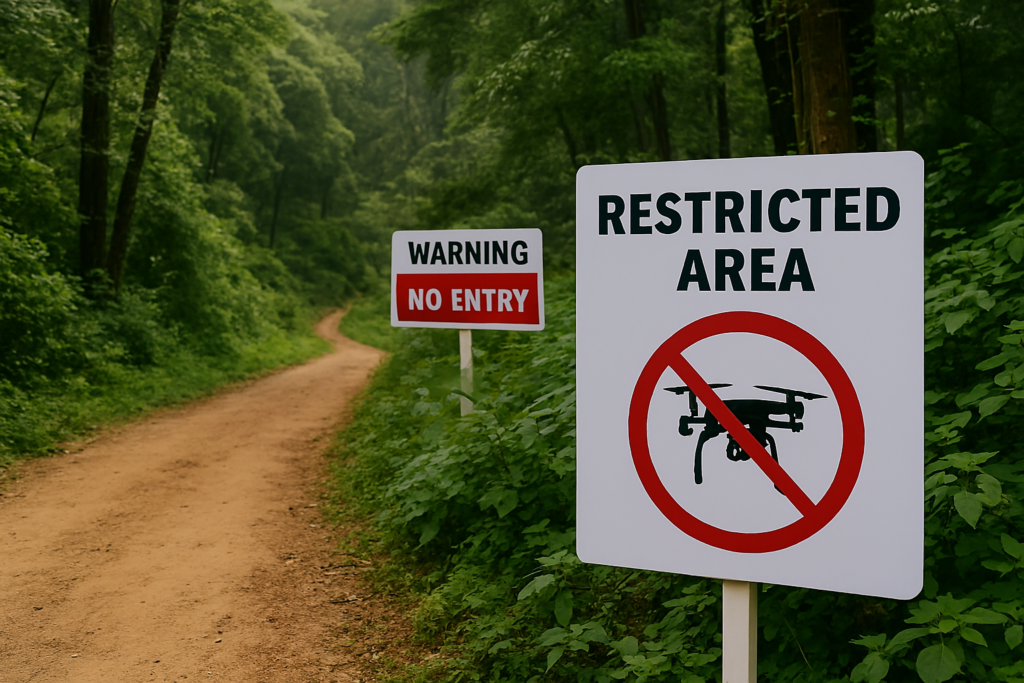
Drone flights are:
❌ Prohibited without written permission
❌ Strictly banned inside reserved forests
❌ Restricted near tribal villages and wildlife corridors
Even recreational drone flying can be considered illegal without approval.
Permissions Required for Drone Photography
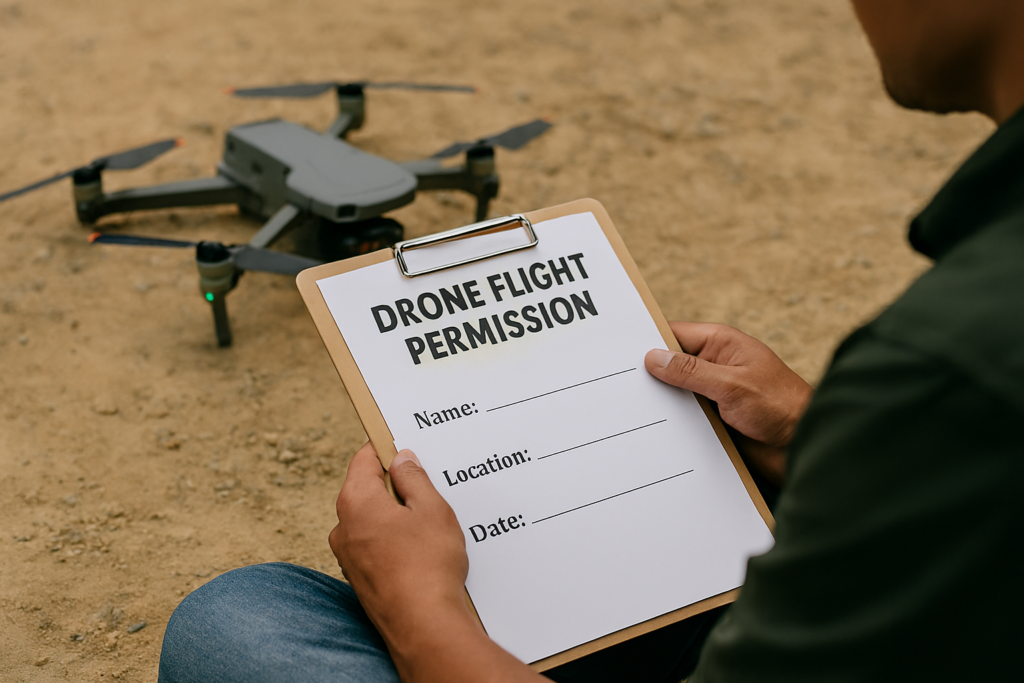
If you intend to fly a drone legally, you must obtain:
1. DGCA Clearance
- Drone registration number
- Pilot ID via Digital Sky portal
2. Forest Department Permission
- Written approval from Tamil Nadu Forest Department
- Specific location, time, and purpose mentioned
3. Local Administration Consent
- In some cases, approval from district authorities
Without these, drone flying is considered an offense.
Wildlife & Environmental Considerations
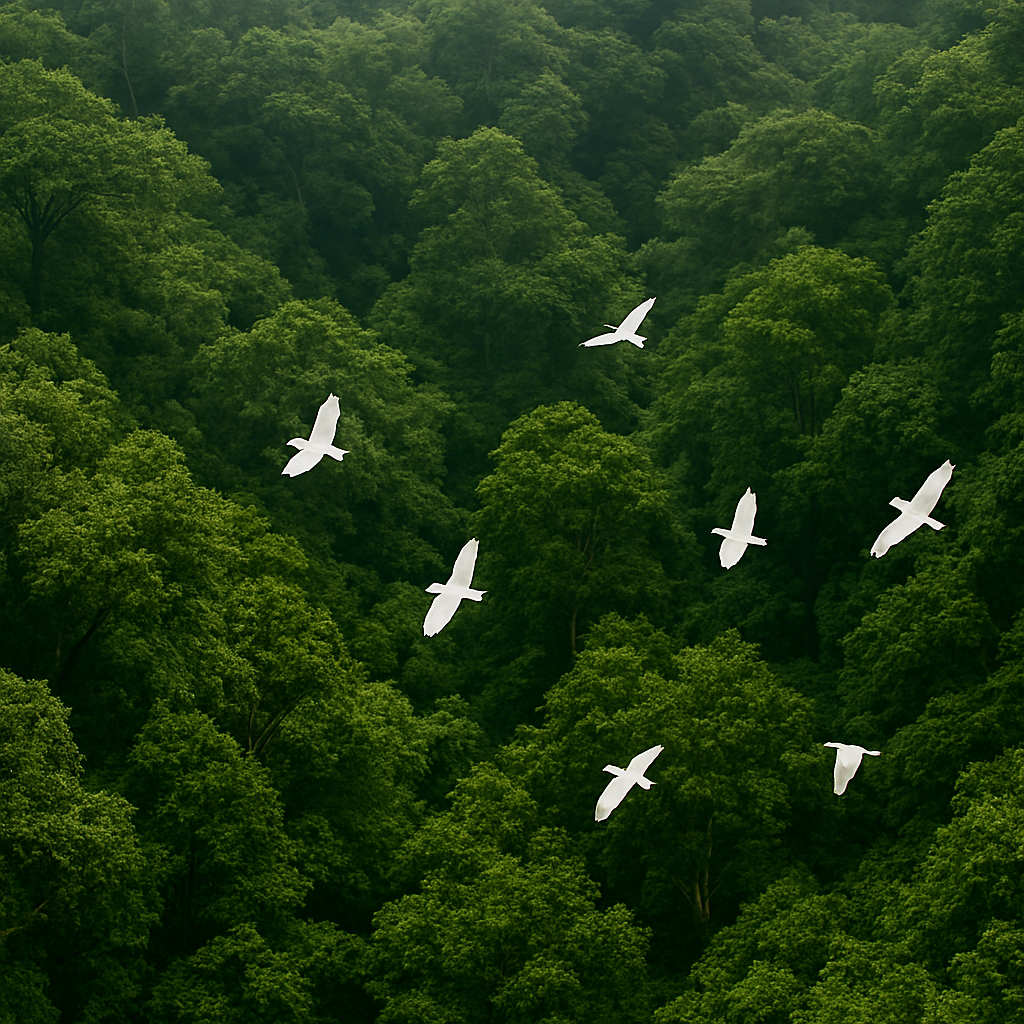
Drones can cause significant stress to wildlife.
Potential Impacts:
- Startling animals and birds
- Interrupting breeding or feeding
- Altering natural movement patterns
- Disturbing nesting areas
For this reason, forest officials enforce zero-tolerance policies in many areas.
Tribal Areas and Privacy Concerns
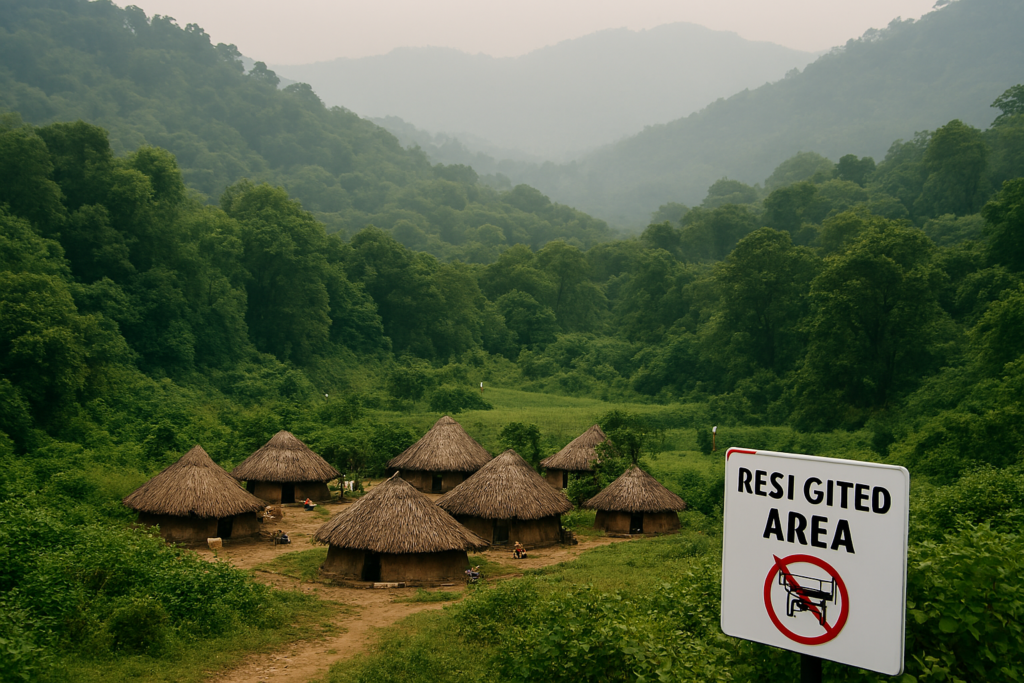
Several jeep trails pass close to tribal settlements.
Ethical Concerns:
- Filming homes without consent
- Cultural sensitivity
- Misuse of aerial footage
Drone use near villages is discouraged unless explicitly approved and community consent is obtained.
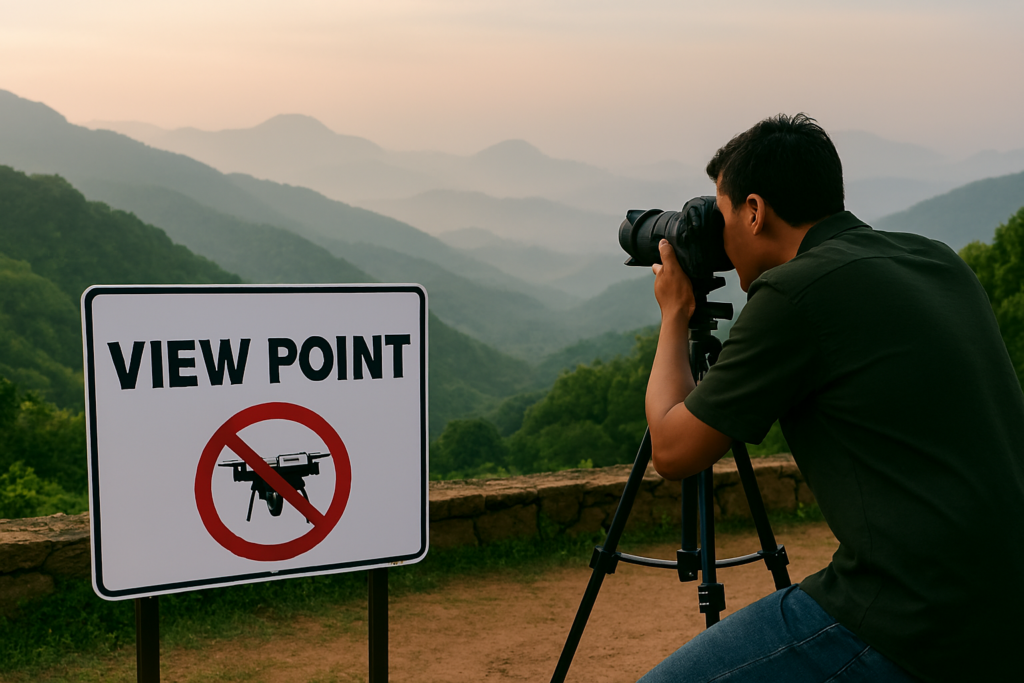
Safe & Responsible Alternatives to Drone Photography
If drones are not permitted, there are excellent alternatives:
Ground-Based Photography:
- Wide-angle landscape shots
- Telephoto compression of hills
- Mist and light-focused compositions
Elevated Viewpoints:
- Designated viewpoints
- Cliff-edge trails with safety barriers
- Watchtowers and clearings
These methods are legal, ethical, and equally rewarding.
Penalties for Illegal Drone Use
Flying drones illegally in Kodaikanal can result in:
- Confiscation of drone equipment
- Heavy fines
- Legal action under wildlife protection laws
- Travel restrictions
Ignorance of the law is not accepted as an excuse.
Tips for Professional Drone Shooters
If you are a filmmaker or researcher:
- Apply well in advance for permissions
- Coordinate with local forest officers
- Hire a local guide
- Avoid peak wildlife hours
- Fly only in approved zones
Professional compliance builds trust and future access.
Best Practices Checklist
✔ Registered drone
✔ Valid pilot ID
✔ Written forest permission
✔ No wildlife disturbance
✔ Respect privacy
✔ Follow altitude limits
✔ Fly only in approved zones
Conclusion
Drone Photography Rules for Kodaikanal Jeep Trails are designed to protect fragile ecosystems, wildlife, and local communities. While aerial photography can offer stunning perspectives, it must never come at the cost of environmental damage or legal violations.
By understanding and respecting the rules, photographers can contribute to sustainable tourism while still capturing the magic of Kodaikanal—responsibly and ethically.