
Many Kodaikanal Jeep Safari routes cut through shola forests and grasslands that are packed with wildlife, so spotting animals and birds becomes a big part of the adventure. This long guide explains what you might see from the jeep, where to look, and how to watch safely and responsibly.
Wild Habitats Along the Trails
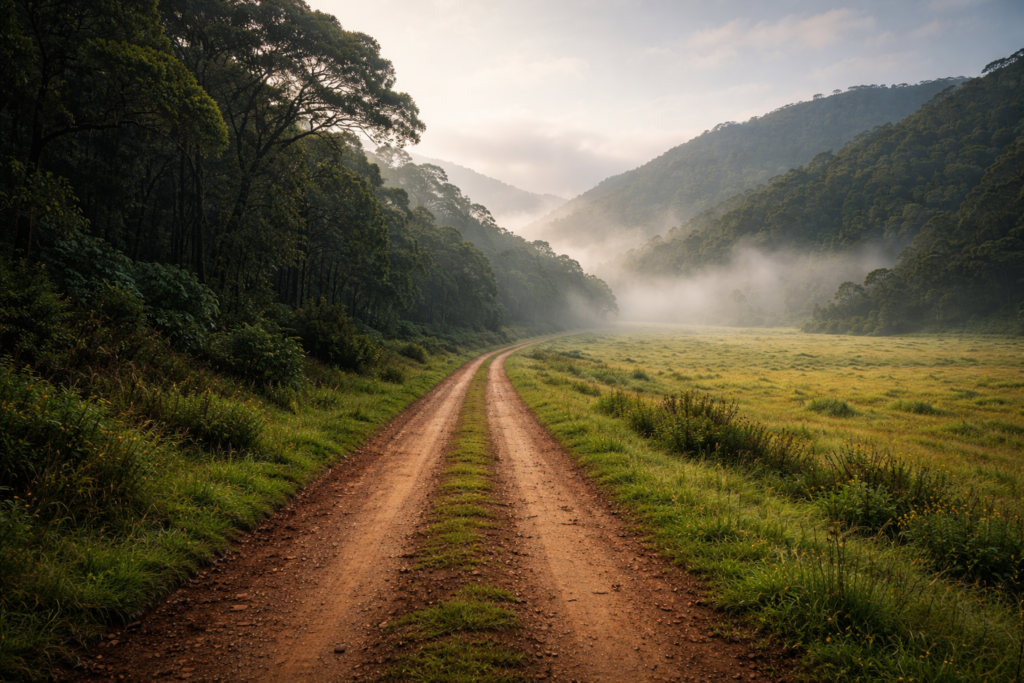
Kodaikanal sits inside the Western Ghats biodiversity hotspot, with shola forests in valleys and grasslands on ridges. Jeep trails typically skirt areas of the Kodaikanal Wildlife Sanctuary and nearby sholas like Vattakanal and Pambar, where dense canopy, streams, and meadows support mammals, birds, reptiles, and amphibians. Operators often describe their tours as eco-conscious drives through forest edges, tea estates, and village farmland, which lets you see both wild species and human–nature interactions.
Mammals You’re Most Likely to See
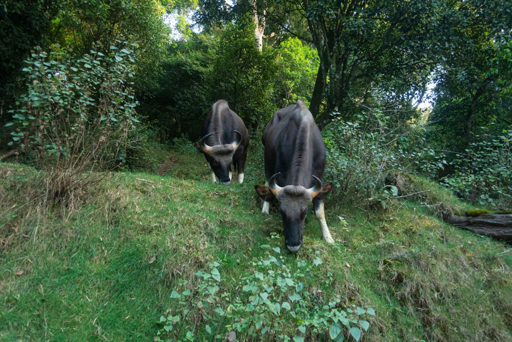
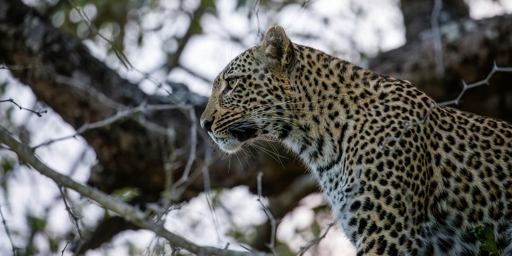
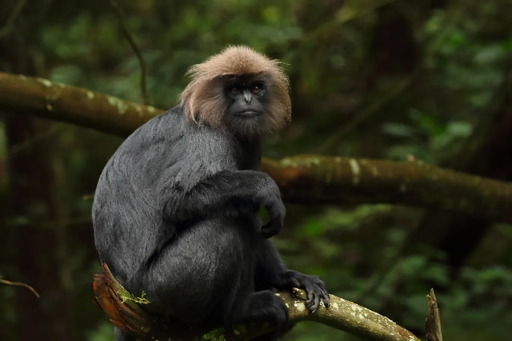
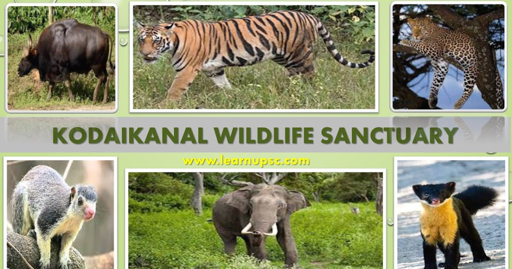
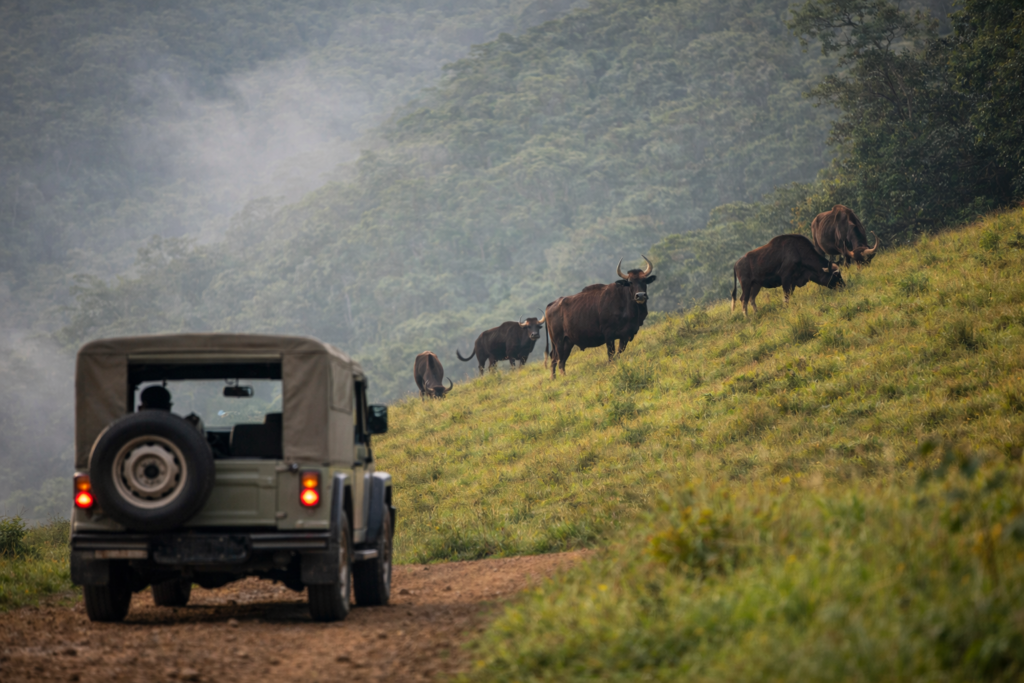
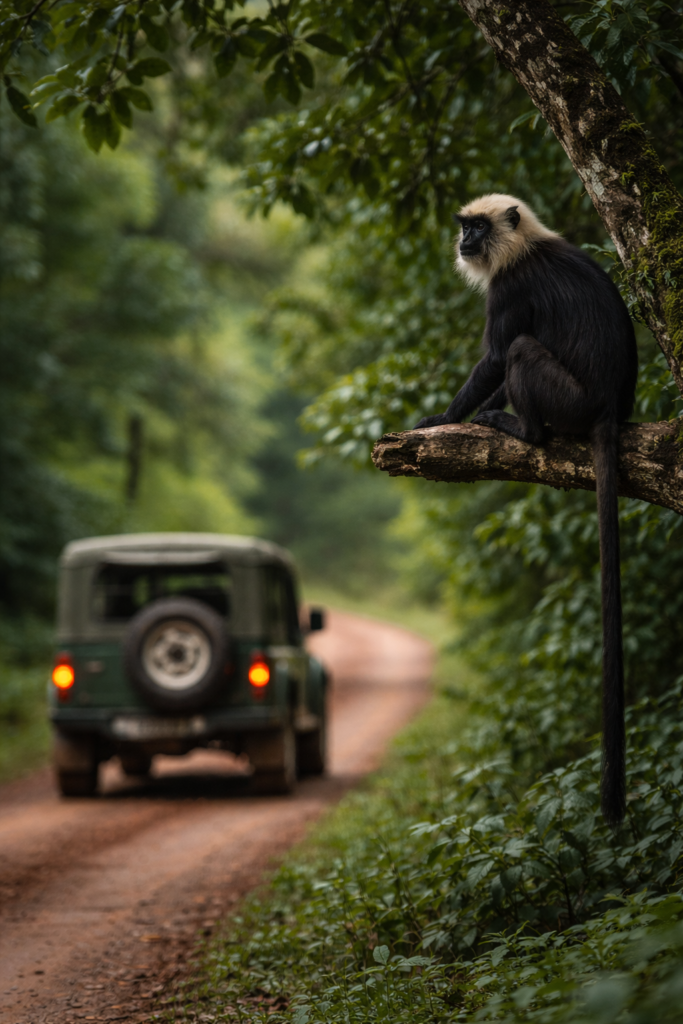
The sanctuary supports large mammals such as gaur, wild boar, sambar, barking deer, and occasional elephants, tigers, and leopards, though big predators are rarely seen from tourist routes. On regular Jeep Safaris, guests more commonly report sightings of barking deer, wild boar rooting at forest edges, and herds of gaur grazing on distant grassy slopes. Macaques are very common around tourist spots, while Nilgiri langurs and Indian giant squirrels move through taller forest patches and are sometimes visible from the road.
Jeep stopped at a safe distance while a small group of gaur grazes on a hillside; telephoto-style composition so the animals are clearly visible but not disturbed.
Nilgiri langur or bonnet macaque sitting on a roadside tree watching a passing jeep, with dense green foliage behind.
Iconic Squirrels and Small Creatures
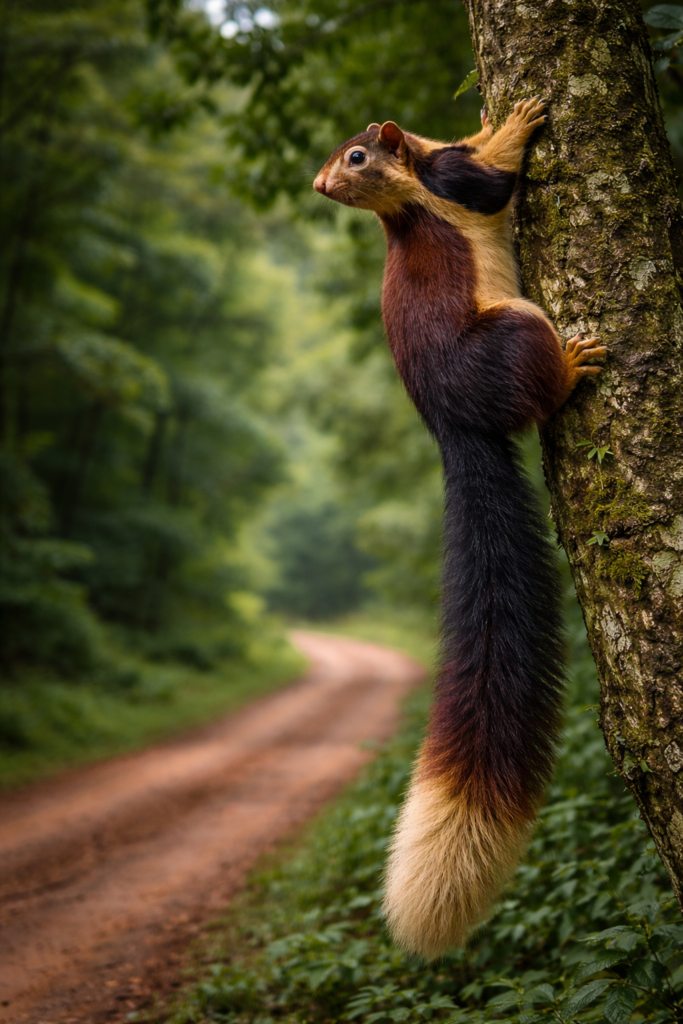
Kodaikanal’s sholas are famous for the Malabar giant squirrel (also called Indian giant squirrel), a large, colourful tree-dweller that nests high in canopy trees and has adapted well even in mixed eucalyptus–shola habitat. Travellers often spot one leaping between tall trunks or hear it chattering above river crossings. Smaller mammals such as flying squirrels and civets are mostly nocturnal, but night drives around forest edges may reveal brief, torch-lit views. The forest floor and stream edges hold frogs, lizards, and many insects; some jeep routes near Bombay or Vattakanal shola pass areas known for endemic amphibians and butterflies, though these usually require getting out on short guided walks to notice them.
Birdlife: Western Ghats Specials
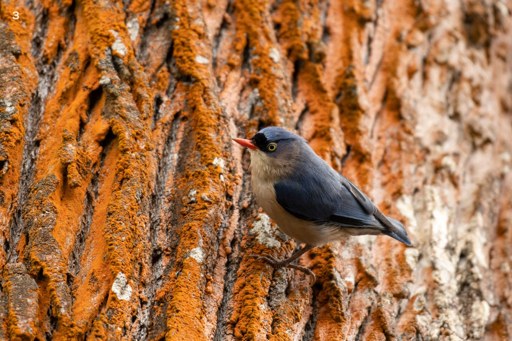
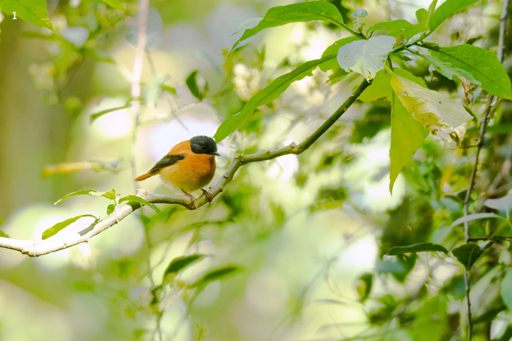
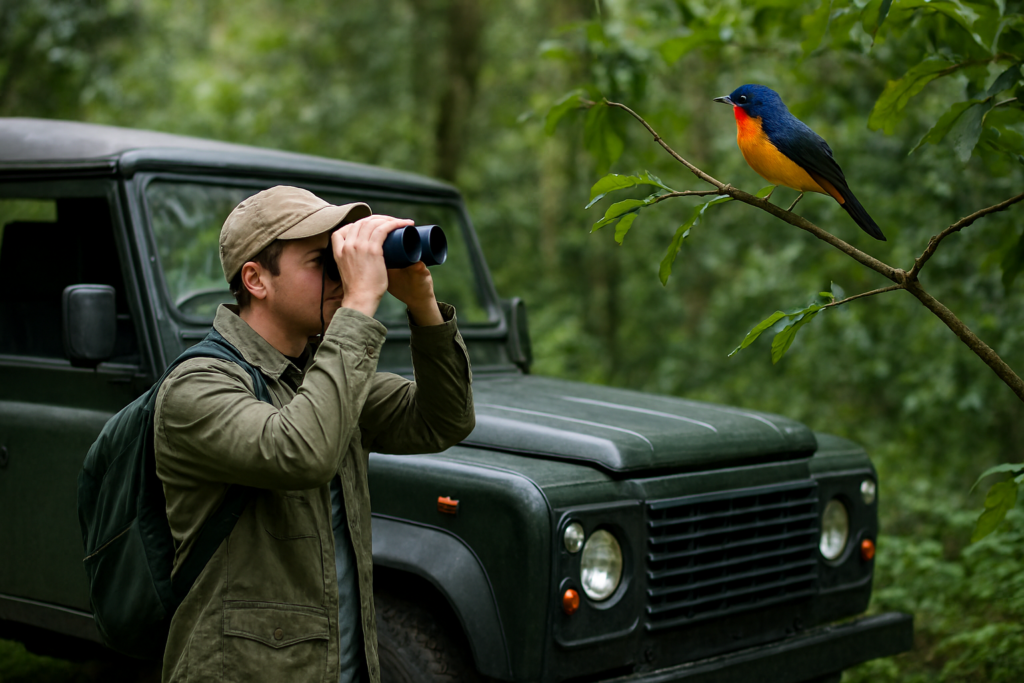
The sholas around Kodaikanal are recognised as a Key Biodiversity Area because they hold many high-altitude, Western Ghats–endemic birds. Birdwatchers on jeep trails sometimes record species such as the Nilgiri wood-pigeon, Nilgiri flycatcher, black-and-orange flycatcher, white-bellied sholakili, and various hill babblers and warblers in forest patches. More casual visitors typically notice more conspicuous species like kingfishers near streams, woodpeckers on dead snags, raptors circling over grasslands, and mixed flocks of bulbuls and sunbirds along village roads.
Birdwatcher standing just beside a parked jeep, using binoculars to look towards shola canopy where a colourful flycatcher is perched.
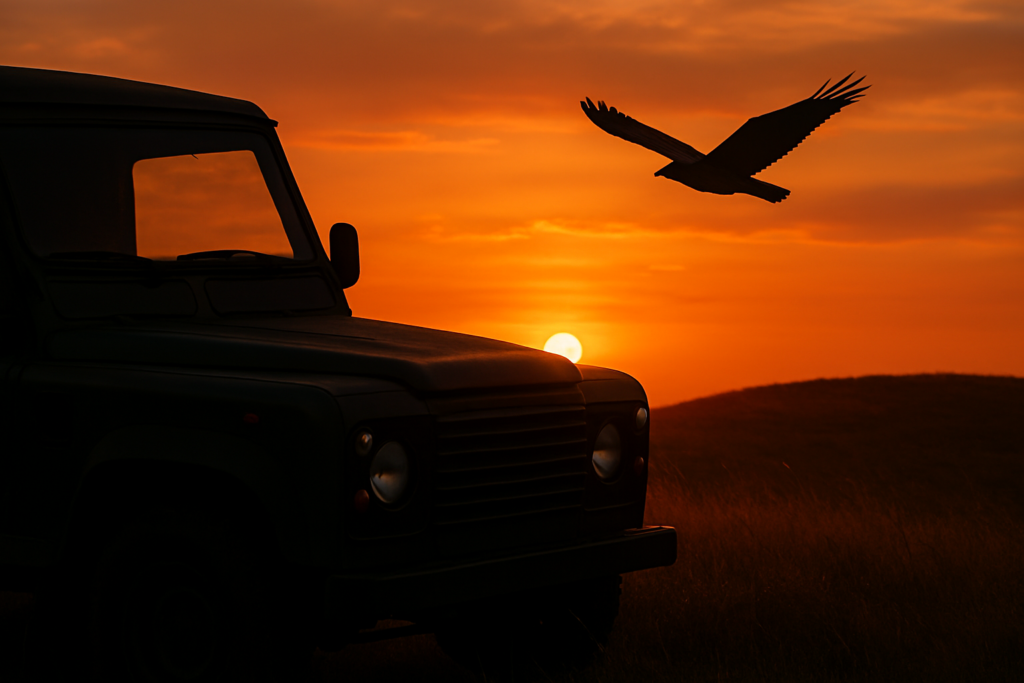
Distant silhouette of a large raptor gliding over a grassland ridge at sunset, with the jeep in the foreground.
Reptiles, Amphibians, and Insects
Warm rocks, culverts, and roadside logs provide basking spots for skinks, agamid lizards, and the occasional snake, though snake sightings remain relatively infrequent on busy tourist routes. Streams and seeps that jeeps cross or park beside can shelter endemic cricket frogs and other shola amphibians, which are better heard than seen during dusk or monsoon trips. Butterflies—especially in sunny breaks between trees—add colour, with several species restricted to these higher altitudes of the Palani Hills.
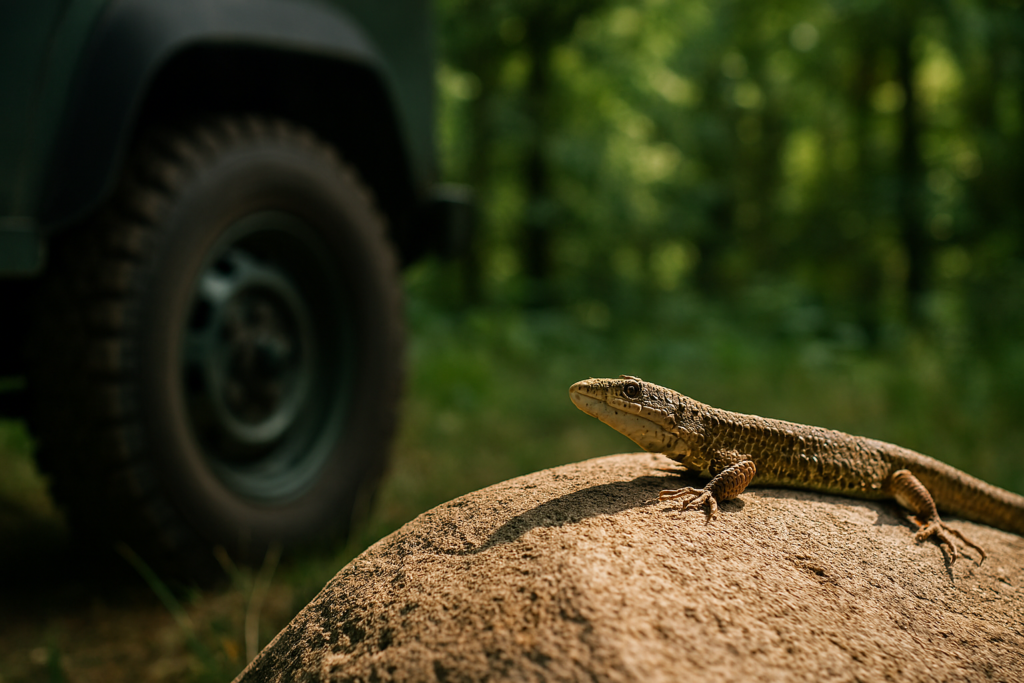
Close-up of a small lizard sunning on a rock near a jeep tyre, with the forest blurred behind.
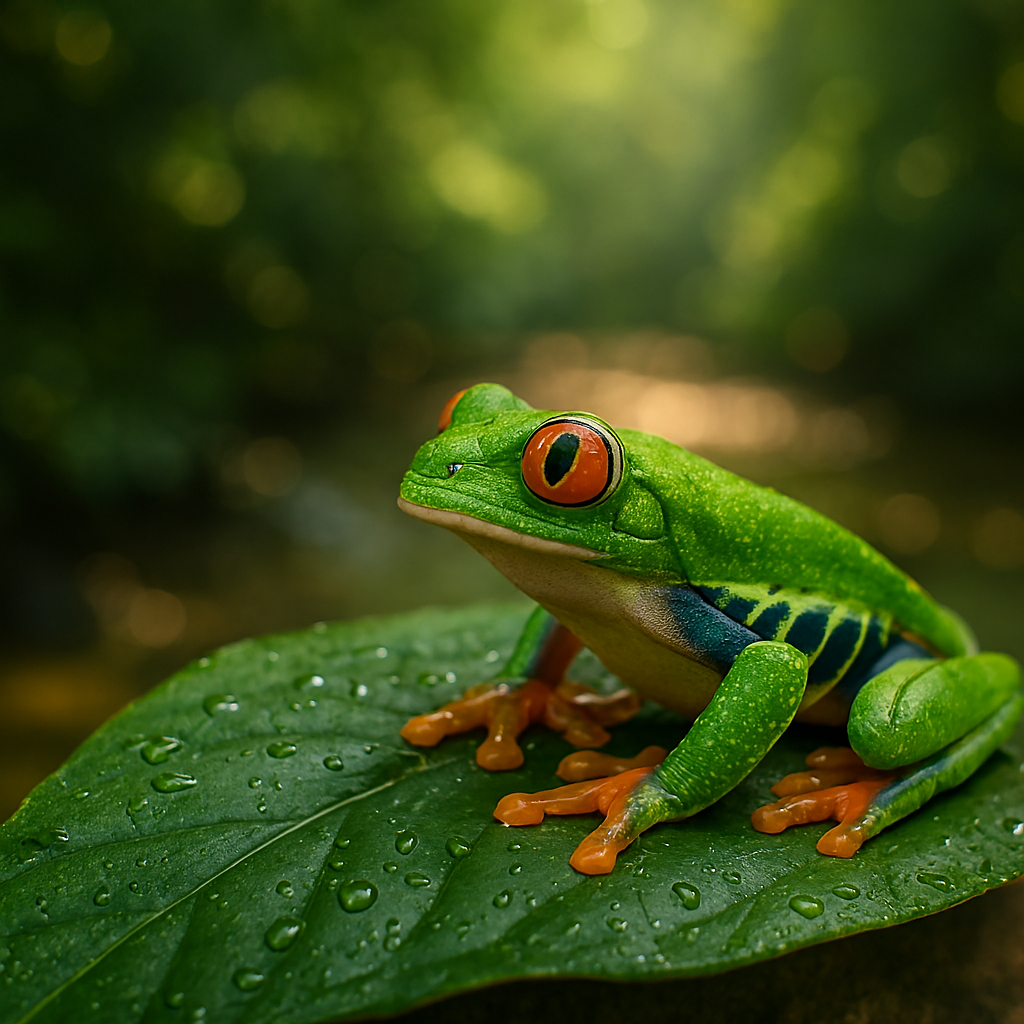
Macro shot of a bright butterfly or frog on a wet leaf by a forest stream, with soft bokeh.
Best Times and Places for Wildlife on Jeep Routes
Wildlife activity peaks around dawn and dusk, so early-morning Jeep Safaris to viewpoints like Parapatti, Elephant Valley, or Vattaparai give the highest chance of animal encounters before traffic increases. Dry months (roughly October to March) make mammals easier to spot in open grasslands, while post-monsoon periods see more bird activity and lush foliage but can push animals deeper into cover. Operators that include forest-edge segments near Kodaikanal Wildlife Sanctuary or sholas such as Vattakanal, Pambar, and Elephant Valley specifically market those trails as better for wildlife and birdwatching compared with purely sightseeing-focused jeep routes.
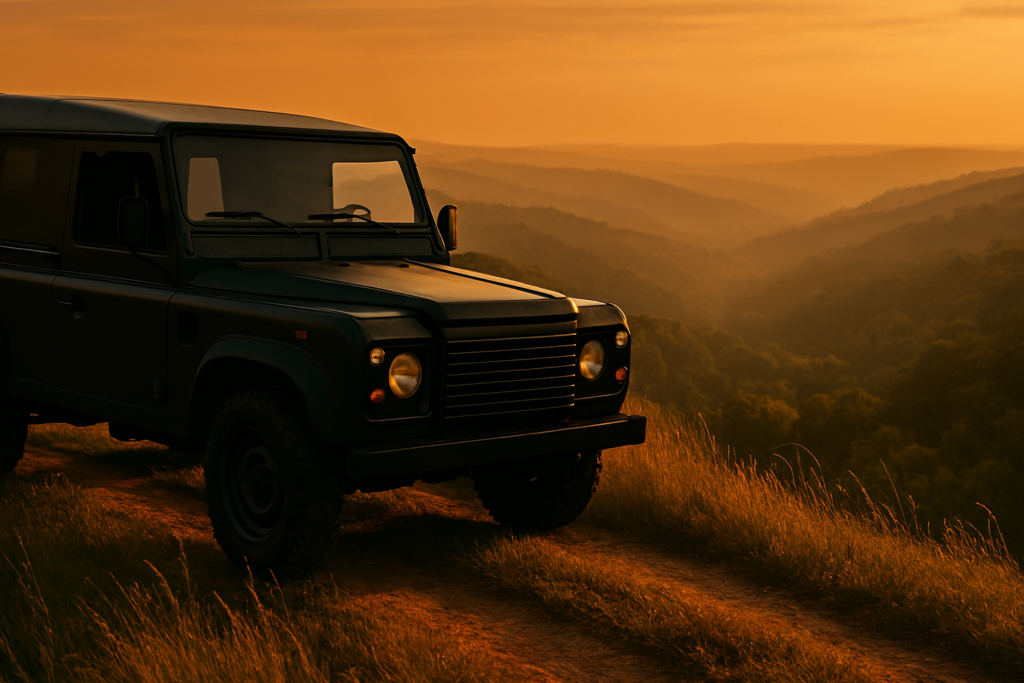
Golden-hour jeep driving along a ridge road with distant forested valleys, hinting at potential wildlife below.
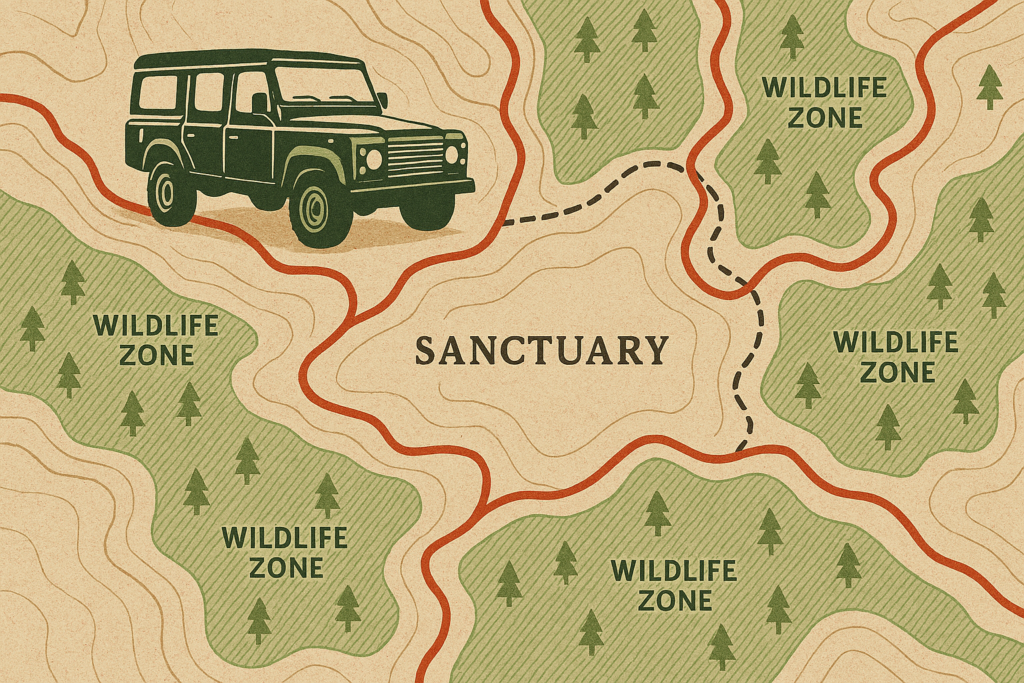
Map-style illustration overlay showing jeep routes skirting sanctuary edges and marked “wildlife zones”.
How to Watch Ethically and Stay Safe
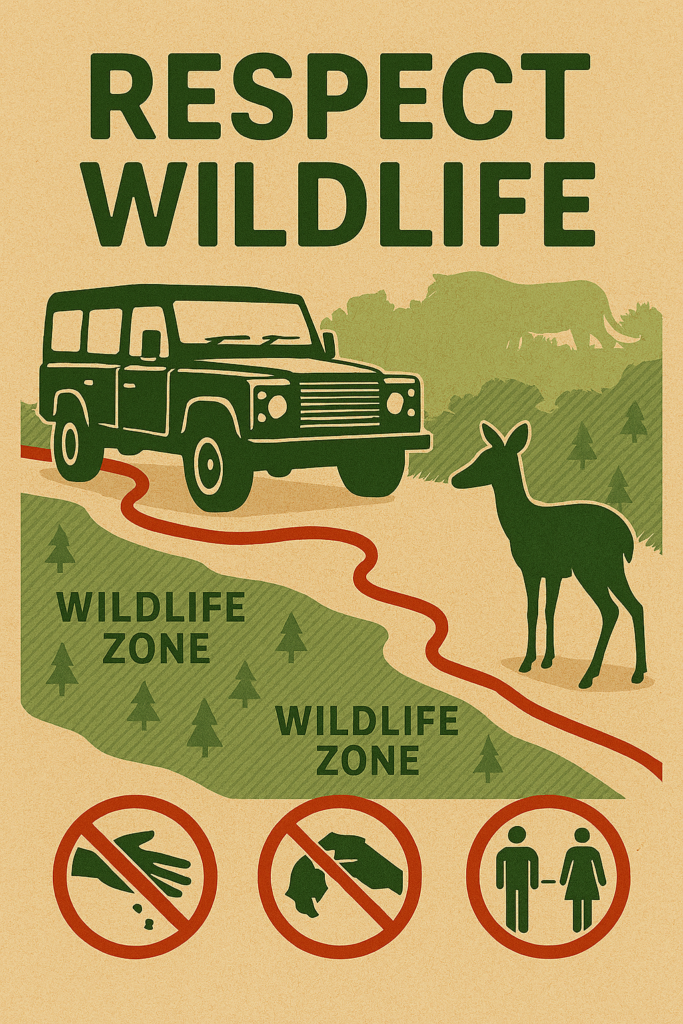
Forest departments emphasise that while predators like tigers and leopards persist in these landscapes, sightings are rare and vehicles must never chase or crowd any wild animal. Responsible jeep operators brief guests to keep noise low, avoid feeding macaques, stay inside vehicles near large mammals, and use binoculars or zoom lenses rather than approaching on foot. Visitors are also urged to carry back all plastic, stick to approved tracks, and respect any no-entry signs or sanctuary regulations so shola wildlife remains undisturbed for future travellers.
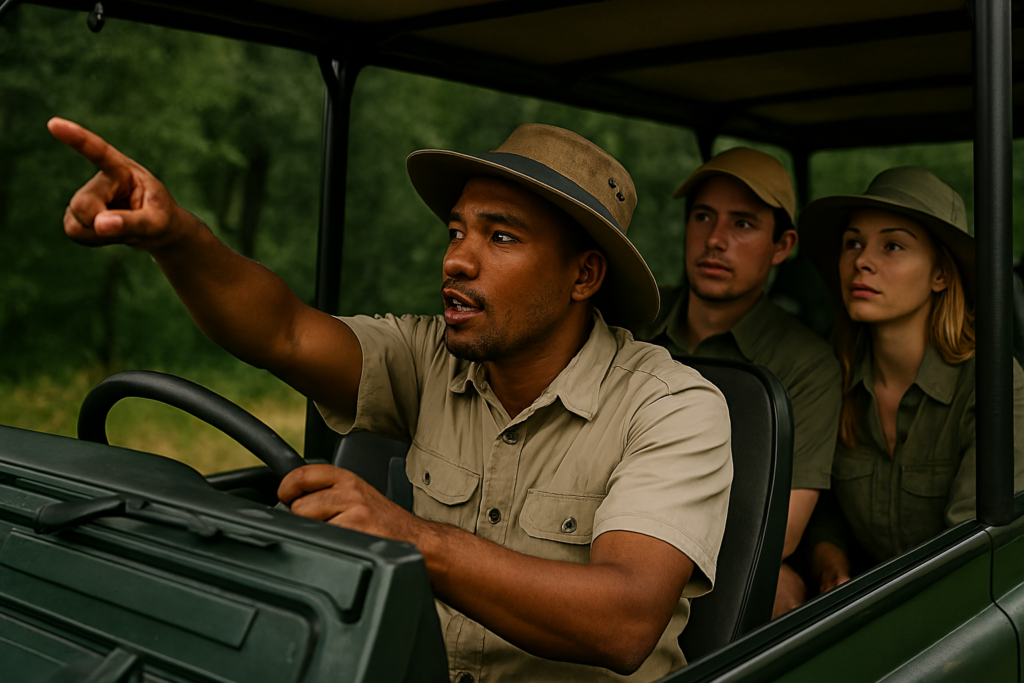
Guide quietly pointing out a distant animal to guests seated in the jeep, everyone looking in the same direction without leaving the vehicle.
Simple “Respect Wildlife” poster-style graphic: icons showing “no feeding, no littering, keep distance” beside a jeep and animal silhouettes.
Using these expectations, photos, and ethics, your blog can show guests that Kodaikanal Jeep Safaris are not just about off-road thrills—they are one of the easiest gateways to glimpse Western Ghats wildlife in its shola home, as long as people look carefully and travel responsibly.