
Introduction
Tea estates are often associated with rolling green carpets, misty mornings, and the aroma of fresh leaves—but there is another, lesser-known way to experience these landscapes: jeep trails through tea plantations. Known as plantation safari routes, these rugged paths offer a slow, immersive journey into the heart of tea country, blending scenic beauty, wildlife encounters, and local culture.
From the Western Ghats to the Nilgiris and beyond, tea estate jeep trails reveal a side of plantations that most tourists never see—quiet valleys, hidden streams, forest edges, and working landscapes alive with birds and animals.
What Are Tea Estate Jeep Trails?
Tea estate jeep trails are unpaved service roads originally built for plantation management—used to transport workers, harvested leaves, and supplies. Over time, many of these routes have become guided safari trails, allowing visitors to explore plantation interiors without disturbing the ecosystem.
These trails often:
- Wind through tea gardens
- Pass along forest boundaries
- Cross streams and ridgelines
- Connect old estate bungalows and factories
Unlike wildlife safaris in national parks, plantation safaris are quieter, slower, and more landscape-focused.

Why Jeep Trails Are Perfect for Tea Plantation Safaris
1. Terrain Built for Jeeps
Tea estates are spread across steep slopes and valleys, making jeeps the safest and most practical way to explore. High ground clearance vehicles handle:
- Muddy paths after rain
- Rocky inclines
- Narrow hillside tracks
2. Minimal Environmental Impact
Since these trails already exist, jeep safaris do not require new roads, preserving soil structure and vegetation.
3. Access to Remote Views
Many of the most breathtaking viewpoints—sunrise ridges, fog-filled valleys, and forest edges—are accessible only by these trails.

Wildlife Along Plantation Safari Routes
Tea estates often lie between protected forests, creating natural wildlife corridors. While not guaranteed, sightings are common—especially in early mornings and late afternoons.
Animals You May Encounter
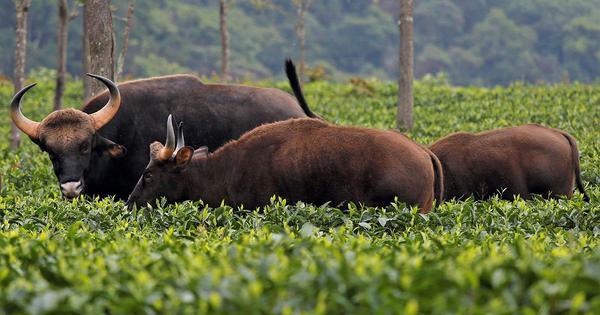
- Gaur (Indian bison) grazing near grassland edges
- Nilgiri langur or bonnet macaque along roadside trees
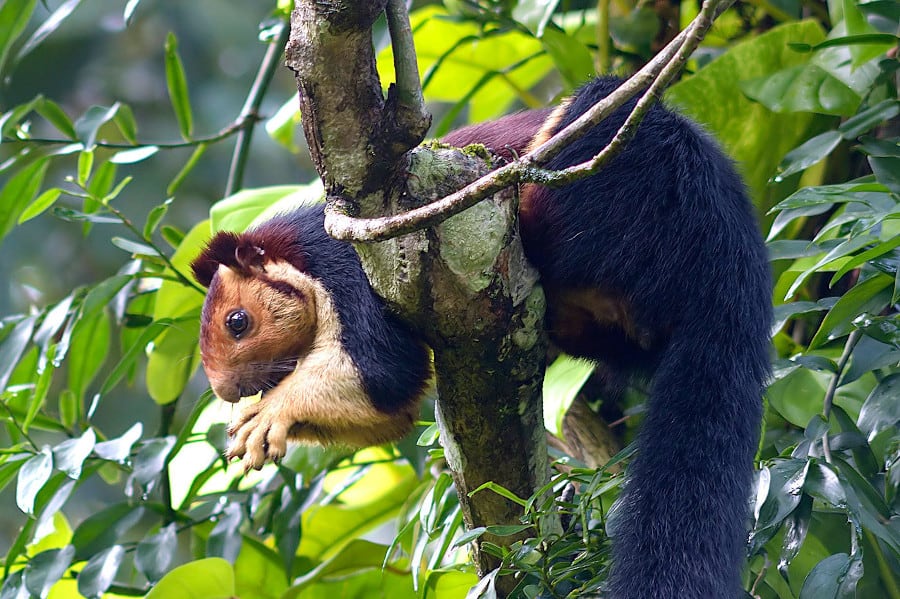
- Malabar giant squirrel leaping between tall shade trees
- Wild boar near forest fringes
Birdlife Highlights
- Flycatchers and sunbirds
- Drongos and bulbuls
- Raptors soaring above valleys
Tea Estates as Living Landscapes
Unlike untouched wilderness, tea estates are working ecosystems. Jeep trails take you through:
- Active plucking sections
- Shade tree corridors
- Old colonial-era factories
- Workers’ settlements and schools
This blend of human activity and nature creates a unique safari experience—one that feels authentic rather than staged.

Best Time for Tea Estate Jeep Safaris
🌅 Early Morning (6:00–9:00 AM)
- Soft golden light
- Mist-filled valleys
- Highest chance of wildlife sightings
- Cooler temperatures
🌄 Late Afternoon (4:00–6:30 PM)
- Dramatic shadows across plantations
- Bird activity increases
- Ideal for photography
❌ Midday is usually avoided due to heat and harsh light.
Image 6

Responsible Safari Practices in Tea Estates
Tea plantations are private and semi-sensitive areas, so responsible behavior is essential.
Do’s
- Follow estate-approved routes
- Maintain silence near wildlife
- Respect workers and property
- Keep a safe distance from animals
Don’ts
- No loud music or honking
- No littering
- No stepping into plucking zones
- No feeding animals
Image 7

Photography Tips for Plantation Jeep Trails
- Use telephoto lenses for wildlife
- Wide-angle lenses for landscape curves
- Shoot during mist for depth and mood
- Avoid blocking plantation work paths
Image 8
Why Tea Estate Jeep Trails Are Gaining Popularity
- Less crowded than national parks
- Ideal for families and senior travelers
- Combines scenery, wildlife, and culture
- Supports local estate tourism initiatives
Many estates now offer guided plantation safaris, providing local employment while promoting conservation awareness.
Conclusion
Tea Estate Jeep Trails offer a rare opportunity to explore plantation landscapes beyond postcard views. These safari routes reveal misty valleys, quiet forest edges, working tea gardens, and subtle wildlife encounters—all from the comfort of a jeep moving at nature’s pace.
For travelers seeking a blend of scenic beauty, gentle adventure, and cultural insight, plantation jeep safaris are an unforgettable way to experience tea country.